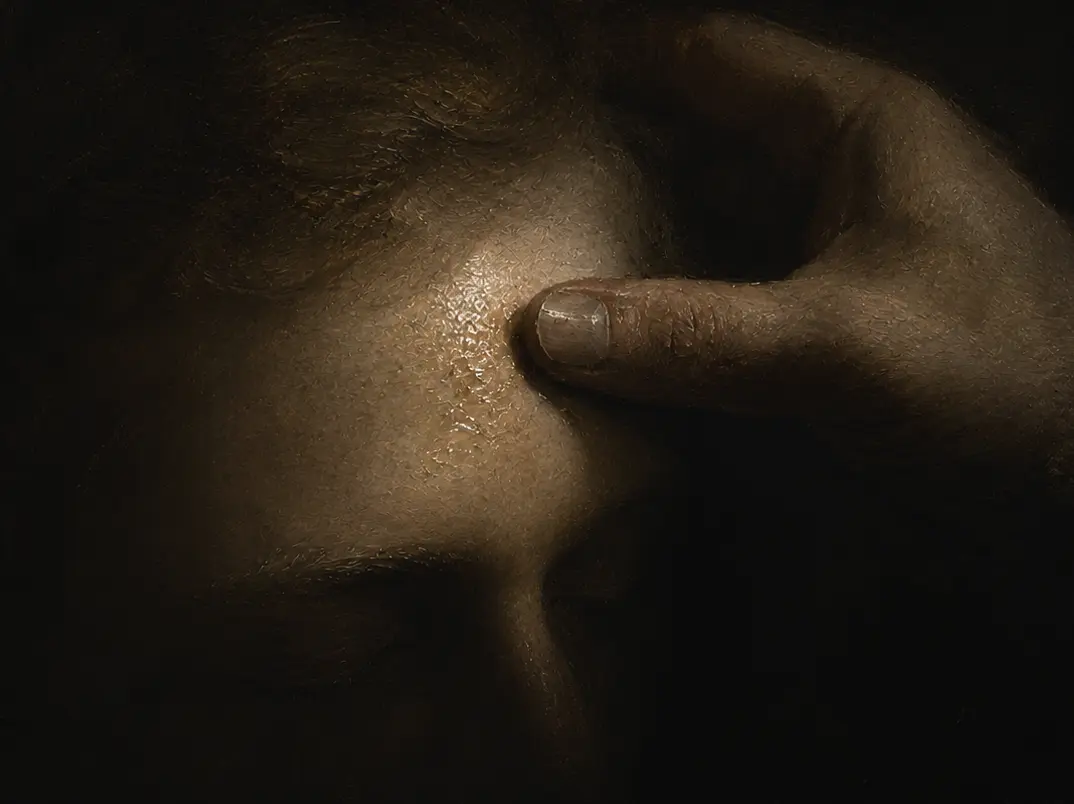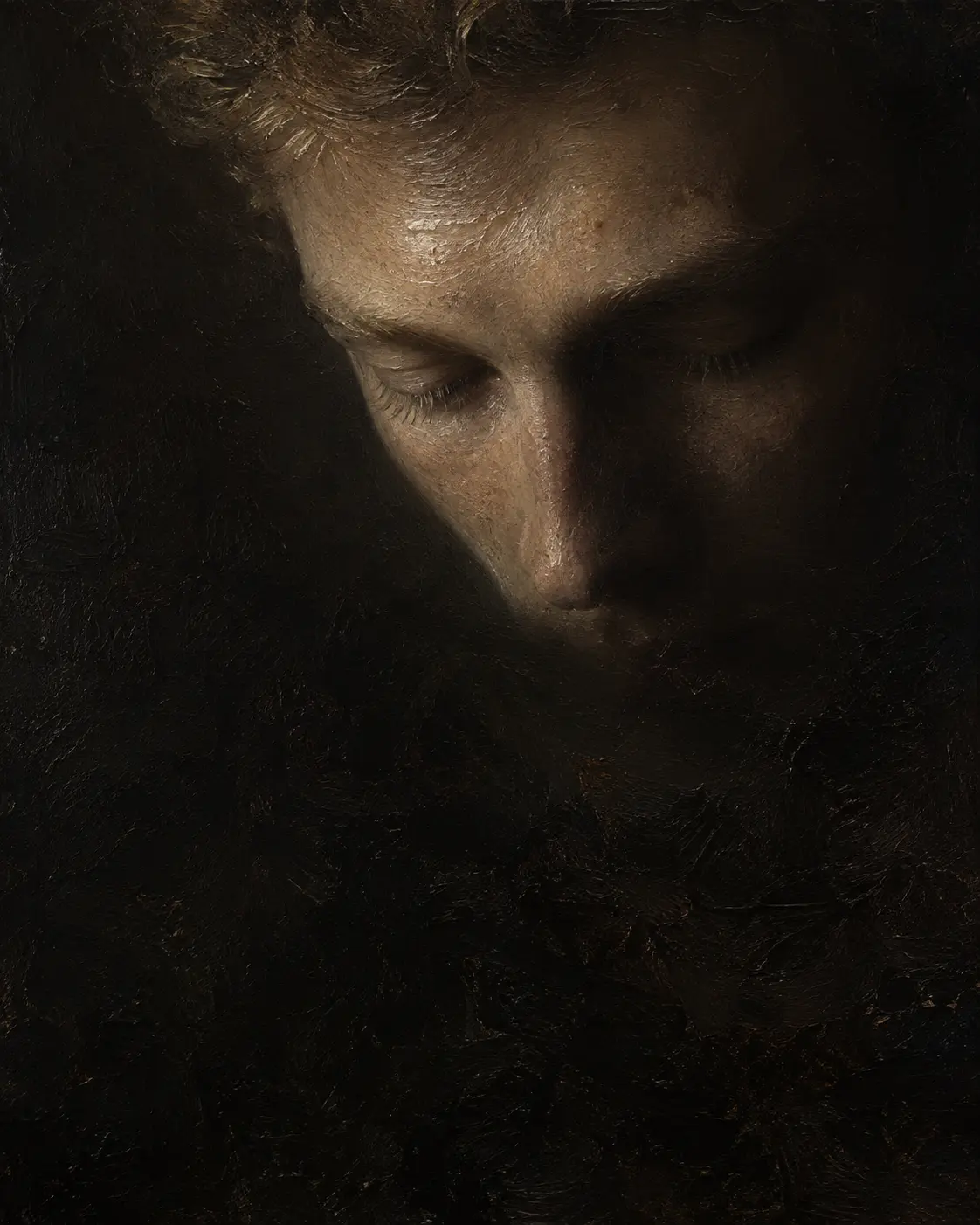
The ceremony is a point in time. Water, oil — the material varies, the ritual does not. It ends before the mind has caught what happened. The body is the one that keeps the record.
᛭
The household I grew up in was not religious. Not hostile, just not interested, and yet I always felt something unaccounted for. A sense of Spirit that arrived before I had words for it, before I had a tradition to place around it. I began looking as a teenager, without knowing what I was looking for.
Paganism drew me first. Then the Eastern paths — yoga, chant, the practices that move through the body. Salah while I was reading an English translation of the Quran. None of it came to nothing. The body was learning attention.
Then: a man who sang the Japji Sahib every morning.
He was a kundalini yoga teacher. I loved him. I would lie curled at his feet while the words moved through the room, not knowing what they were, but knowing they were beautiful.
Eventually he gave me my own Gutka Sahib, the small prayer book, and I began to recite the Japji myself. Almost immediately I felt something I had not felt before — the most intense encounter with Spirit of my life, up to that point. Something had opened, or I had arrived somewhere, or both at once.
I learned as quickly as I could.
᛭
The Japji begins: Ik Onkar. One God of all creation. I had not been a monotheist before. Something about that singleness, not a pantheon, not a field of forces but the One, took hold and would not let go for the first time. It went with me into everything that followed.
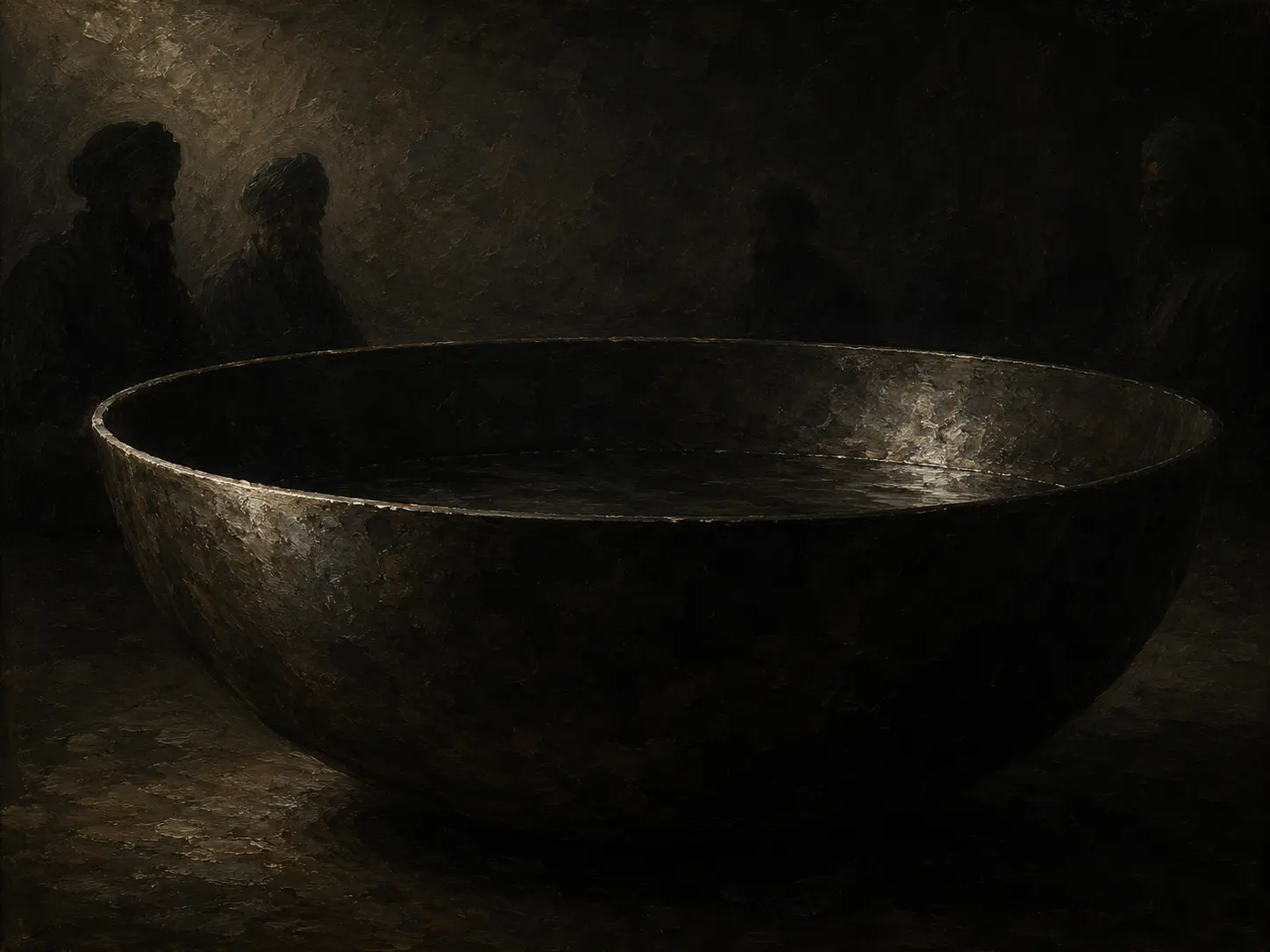
Amrit Sanchar is the Khalsa initiation, the ceremony by which a Sikh enters full formation. It was established by the Tenth Guru, Sri Guru Gobind Singh Sahib Ji, who prepared the Amrit himself, gave it to the five who came forward, and then asked those five to give it back to him. The Guru received the mark from those he had just marked. The cost fell on the one who designated.
I received Amrit before I was baptised. Two years of Amritdhari formation — the code of conduct, the discipline, the daily prayers. At the ceremony’s end I was given a new name: a first name and a surname both. That name is mine. That formation is mine. The love for Sikhi, and for Sri Guru Gobind Singh Sahib Ji above all, is not something I passed through. It remains where real things are kept.
᛭
While I was practising, I met a woman who was a Christian. Not a theologian, not in any formal role — a friend, whose ordinary life was arranged by what she believed. Through the texture of how she treated people, she showed me what it means to be a true disciple of Jesus. Her unique kindness and self-sacrifice was to me evidence of something that I felt I needed to understand more.
It was inside the Sikh formation that the calling arrived. A being-called, felt from within. The Protestant conversion happened without a church’s involvement. The Catholic conversion came later. Chrism on the forehead: oil pressed into the skin, prayers said over you, a name confirmed.
The same structure, again. You are named as belonging, and the name is not yours to give. A community pays the cost.
᛭
Neither mark explains the other. The Amrit was received in earnest. The Baptism, and later the Confirmation into the Church, were received in earnest. Each were preceded by real formation, seeking, and encounter with what the ceremony names.
The indelible seal the tradition claims is not the oil or the water; both wash off. What the tradition calls indelible is what was prayed over you, what was imparted into you through the water, the oil: the designation that the body, mind and soul carries long after the ceremony has ended.
On Ash Wednesday another mark is put there — dark on the skin, smeared by a day’s ordinary life. Remember that you are dust.
The forehead does not keep score. It receives what is given and carries it forward.
Both marks were real. Both remain.